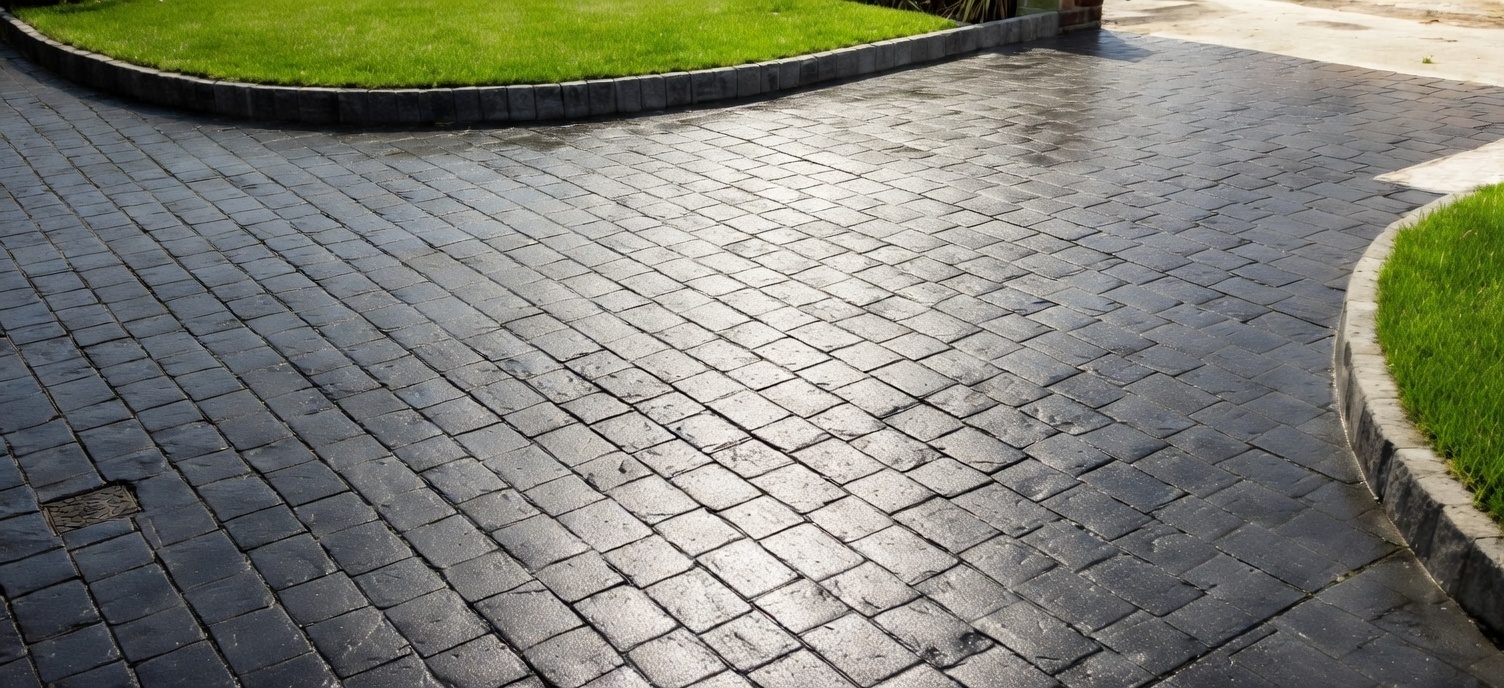
Proper edging prevents the concrete from spreading or cracking at the edges, improves drainage, stops grass/weeds encroachment and gives a polished, finished look. In Merseyside, good borders also help with frost heave and vehicle overrun. This guide covers popular options; for perfect installation, contact Avant Gardens.
Planning to edge or upgrade your driveway? Call Avant Gardens at 0800 458 0139 for expert design and installation advice.
View Edging Portfolio


Follow these steps to add durable, attractive borders to your imprinted concrete driveway. For best results (especially on curved or large areas), professional installation is recommended.
Kerbs (concrete or granite): Strong, clean lines, excellent for straight edges and heavy traffic. Bricks/block pavers: Traditional look, good for curves, easy to match colours. Cobbles/setts: Rustic/natural appearance, great drainage, popular in Merseyside gardens. Consider height (flush or raised), colour match to concrete pattern, and frost resistance.
Mark the border line with string/stakes. Excavate a trench ~150–200mm deep and wide enough for your material + 50mm concrete haunch. Compact the base, add 50–75mm MOT Type 1 or sharp sand, and level. Ensure slight fall away from house for drainage.
Lay kerbs/bricks/cobbles on a full mortar bed or concrete haunch. Use a spirit level to keep them even and aligned. Tap into place with a rubber mallet. For curves, cut materials or use smaller units. Back-haunch with concrete for stability (especially kerbs).
Fill joints with mortar or polymeric sand. Clean excess immediately. Ensure the border sits flush or slightly proud of the concrete surface. Compact surrounding soil and reseed grass if needed. Allow 24–48 hours cure before heavy use.
Well-designed edging transforms the look and longevity of your patterned concrete driveway. For custom designs, precise installation and matching materials across Liverpool and Merseyside, Avant Gardens delivers professional results every time.


